
How Large Restaurant Groups Can Reduce Wine Waste and Increase Profitability with Enomatic Dispensers
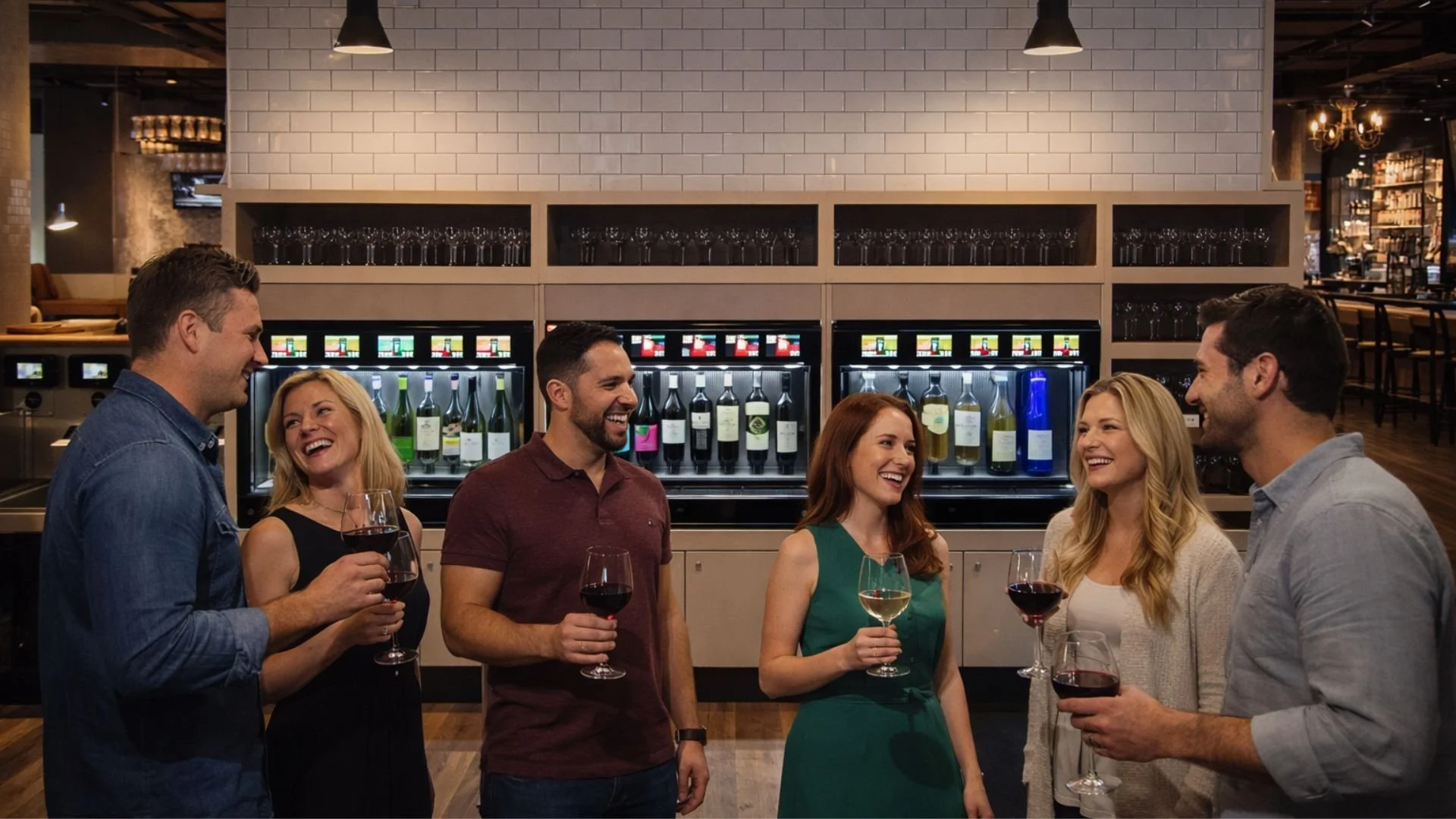
For multi-unit restaurant groups, wine-by-the-glass programs present both a major opportunity and a consistent operational challenge.
While wine has strong margins and elevates guest experience, it also introduces risk:
Spoilage from open bottles
Inconsistent pours across locations
Limited ability to offer premium wines by the glass
Staff dependency for execution and upselling
When scaled across multiple locations, these issues compound — impacting profitability, consistency, and brand standards.
The solution? Standardizing wine programs through technology.
The Hidden Cost of Wine Waste at Scale
In a single restaurant, losing a few bottles per week to oxidation may seem manageable.
Across 10, 20, or 50 locations, that loss becomes significant.
Common issues include:
Open bottles expiring within 1–3 days
Slow-moving SKUs being removed prematurely
Staff avoiding opening premium bottles due to fear of waste
Overpouring or inconsistent glass sizes
These inefficiencies directly reduce margins and limit revenue potential.
Why Wine-by-the-Glass Programs Underperform in Groups
Even with strong wine lists, many restaurant groups struggle to maximize wine sales due to:
1. Lack of Consistency Across Locations
Each location may:
Pour different amounts
Recommend different wines
Price inconsistently
This creates brand inconsistency and operational inefficiency.
2. Staff Training Challenges
Training hundreds of team members across multiple locations is difficult:
High turnover reduces knowledge retention
Wine education is inconsistent
Upselling depends on individual performance
3. Limited Premium Offerings
Without preservation technology:
High-end wines are risky to open
Operators avoid offering premium options by the glass
Revenue opportunities are left on the table
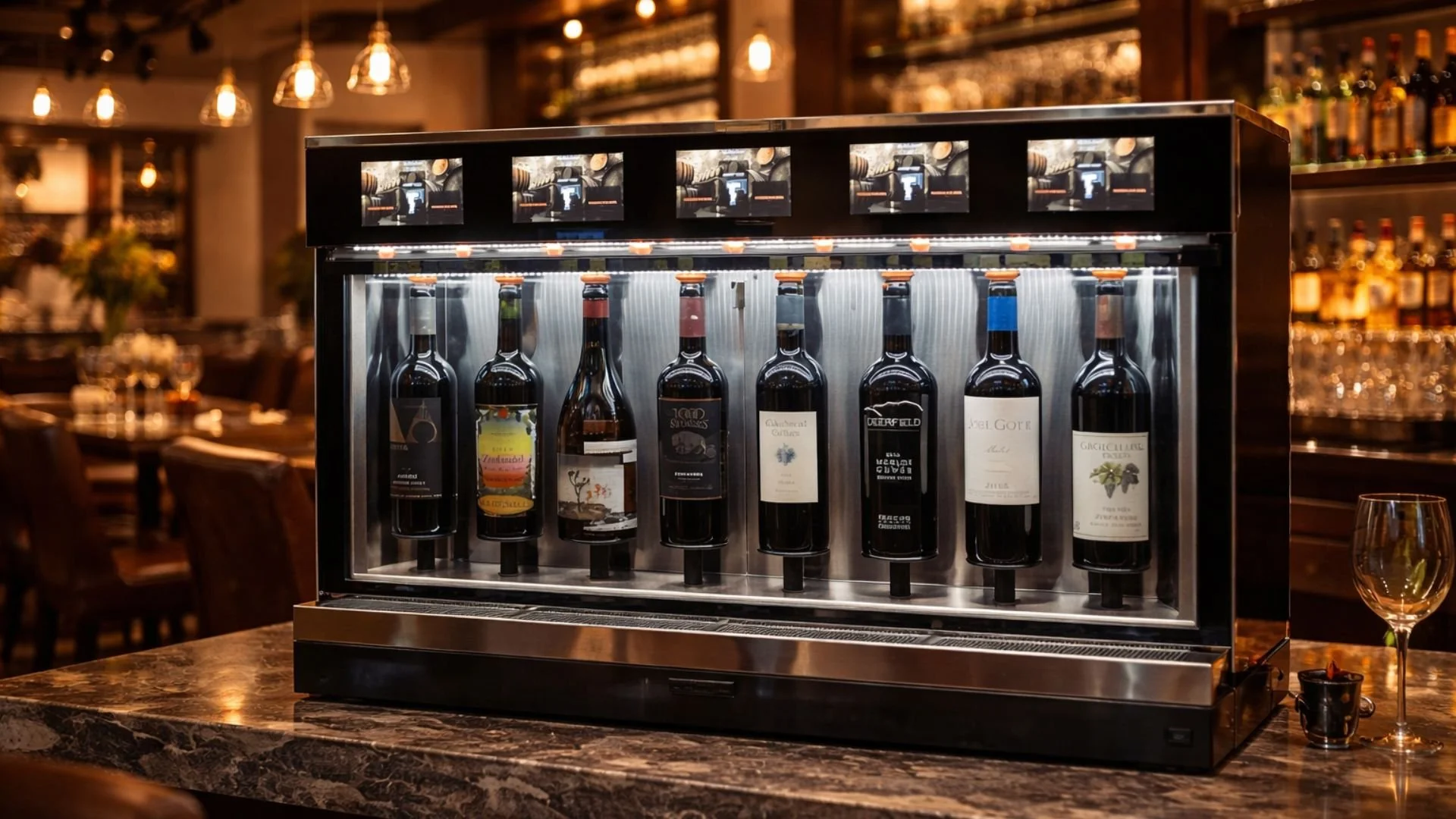
The Technology Solution: Enomatic Wine Dispensers
Enomatic dispensers are designed to solve these challenges at scale.
By integrating Enomatic systems into bar operations, restaurant groups can standardize, control, and optimize their wine programs across all locations.
Key Benefits for Restaurant Groups
1. Eliminate Waste with 30-Day Preservation
Enomatic systems use inert gas to preserve wine after opening.
Benefits:
Open bottles remain fresh for up to 30 days
No oxidation or spoilage
Reduced product loss across all locations
This allows operators to confidently expand their wine offerings.
2. Unlock Premium Wine-by-the-Glass Programs
With extended preservation:
Offer higher-end wines without risk
Increase perceived brand value
Drive higher per-glass revenue
Premium wines become accessible — and profitable.
3. Standardize Pour Sizes Across Every Location
Each pour is precisely controlled:
1 oz, 3 oz, 5 oz (or custom settings)
No overpouring
No variance between staff or locations
This ensures consistency in:
Guest experience
Pricing integrity
Profit margins
4. Increase Profitability Per Bottle
With controlled pours and higher per-ounce pricing:
Revenue per bottle increases
Margin consistency improves
Waste is nearly eliminated
Every bottle performs to its full revenue potential.
5. Reduce Staff Dependency
Enomatic systems:
Provide digital wine descriptions
Simplify service
Reduce reliance on staff knowledge
This is critical for large groups managing high turnover and training challenges.
6. Create a More Engaging Guest Experience
Wine becomes:
Visual
Interactive
Educational
Guests are more likely to:
Explore multiple wines
Trade up to premium options
Increase total spend
Scaling a Wine Program Across Multiple Locations
For large restaurant groups, success comes from systems — not individuals.
Enomatic enables:
Centralized wine program design
Consistent execution across locations
Scalable training and onboarding
Data-driven decision-making
Instead of relying on each location to manage wine independently, operators can deploy a unified, technology-driven strategy.
The Financial Impact at Scale
Restaurant groups implementing Enomatic systems often see:
20–30% increase in wine sales
Significant reduction in spoilage costs
Improved margins on wine-by-the-glass
Increased premium wine adoption
More consistent guest experience across locations
At scale, these improvements translate into substantial EBITDA impact.
Final Thoughts: From Risk to Revenue Driver
Wine programs shouldn’t be a liability — they should be a growth engine.
By leveraging Enomatic dispensers, large restaurant groups can:
Eliminate waste
Standardize operations
Increase profitability
Elevate guest experience
Technology transforms wine from an operational challenge into a scalable, high-margin category.
