
The 5 Biggest Mistakes First-Time Wine Bar Owners Make
(And Why Most Do Not Realize It Until It Is Too Late)
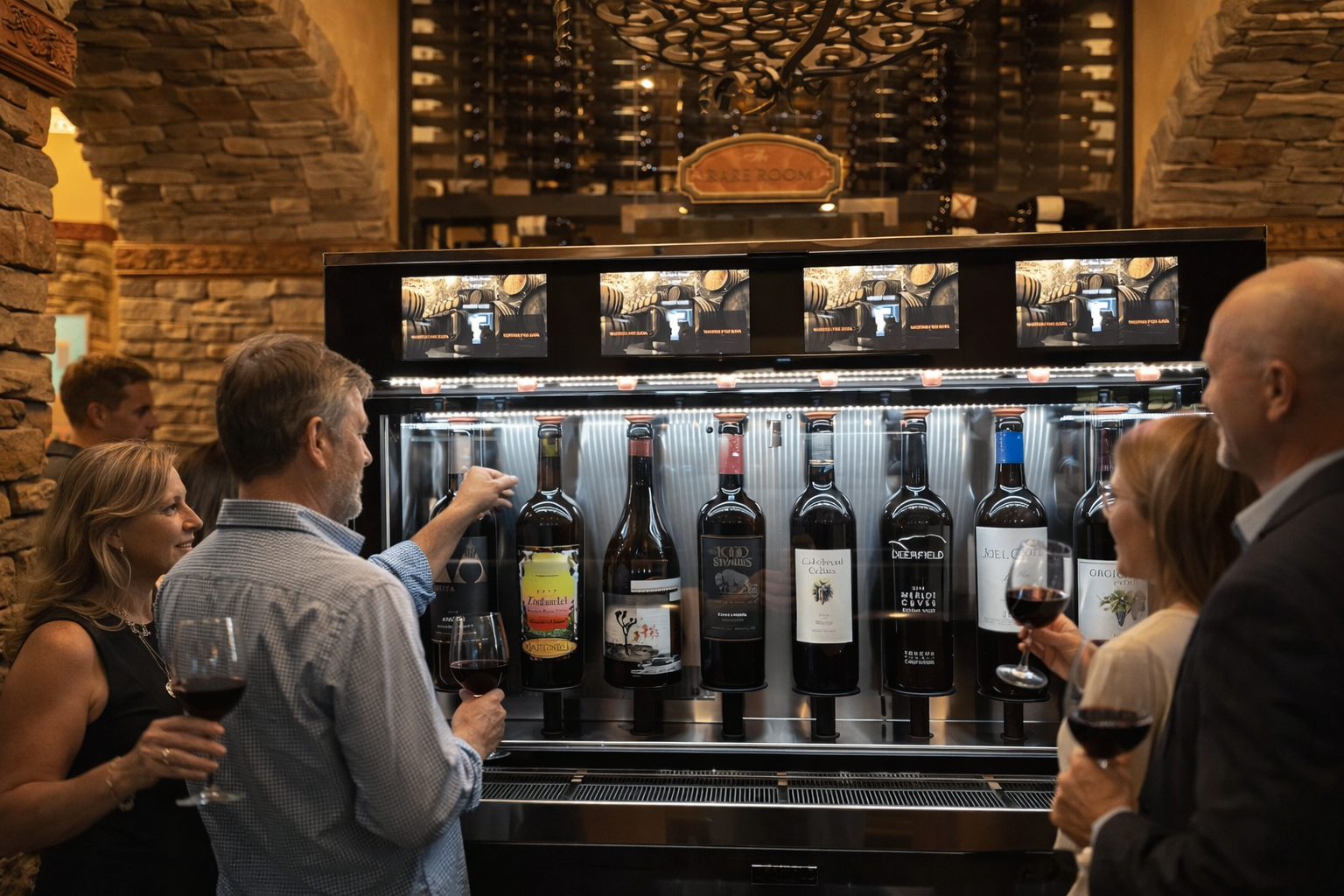
Opening a wine bar feels romantic.
You picture candlelight. Laughter. Beautiful bottles lining the walls. A packed Friday night. Guests discovering new favorites.
What most first-time owners do not picture is cash bleeding quietly in the background. Spoiled inventory being dumped down the drain. Margins disappearing one generous pour at a time. And a POS system that slowly takes control of your own customer data.
The truth is this. Wine bars do not fail because of bad wine.
They fail because of invisible business mistakes.
Here are the five biggest ones.
1. Not Understanding the Numbers Until They Hurt
Many first-time wine bar owners come from passion, not accounting.
They love wine. They love hospitality. But they do not fully understand pour cost, yield, shrinkage, and beverage margins.
Here is the uncomfortable reality:
A 750ml bottle should yield about five 5oz pours.
One heavy-handed staff member can turn that into four.
That is a 20 percent revenue loss without raising a single red flag.
Multiply that across dozens of bottles per week.
Then add:
Comped drinks that are not tracked
Staff tasting without logging
Inventory sitting too long
No clear cost-per-ounce tracking
What you think is a 70 percent margin business can quickly become 55 percent or worse.
Most owners do not notice until cash flow tightens.
2. Letting Wine Go to Waste
Wine is perishable.
Yet many new owners design their menu like they are stocking a retail shop. Long lists. Rare bottles. Too many SKUs.
What happens next?
Slow movers oxidize.
Premium bottles stay unopened because staff are afraid they will not sell.
Guests get inconsistent pours from bottles that have been open too long.
Inventory dollars sit trapped on shelves.
Every oxidized bottle is margin literally poured down the drain. And here is the bigger issue.
Once guests taste a slightly off glass, they may never come back, even if they do not consciously know why freshness is not just quality control.
It is reputation control.
3. Choosing the Wrong POS System
This mistake is subtle and dangerous.
Many POS providers promise all-in-one integration. Marketing tools. Loyalty. Payments. Reporting. Email. Text.
It sounds convenient.
Until you realize:
Your customer email list lives inside their ecosystem.
Your SMS database is not easily exportable.
You cannot clearly analyze true profitability by product.
Switching systems later feels nearly impossible.
Your wine bar’s customer data is one of its most valuable assets.
If you do not control it, you do not control your future marketing.
Technology should support your business, not trap it.
4. Building a Bar Instead of Building an Experience
The buildout is exciting.
Design. Furniture. Lighting. Custom shelving.
But here is the hard truth.
Beautiful spaces do not guarantee repeat customers.
Experiences do.
Many first-time owners open their doors and hope guests just come back.
There is no built-in tasting journey.
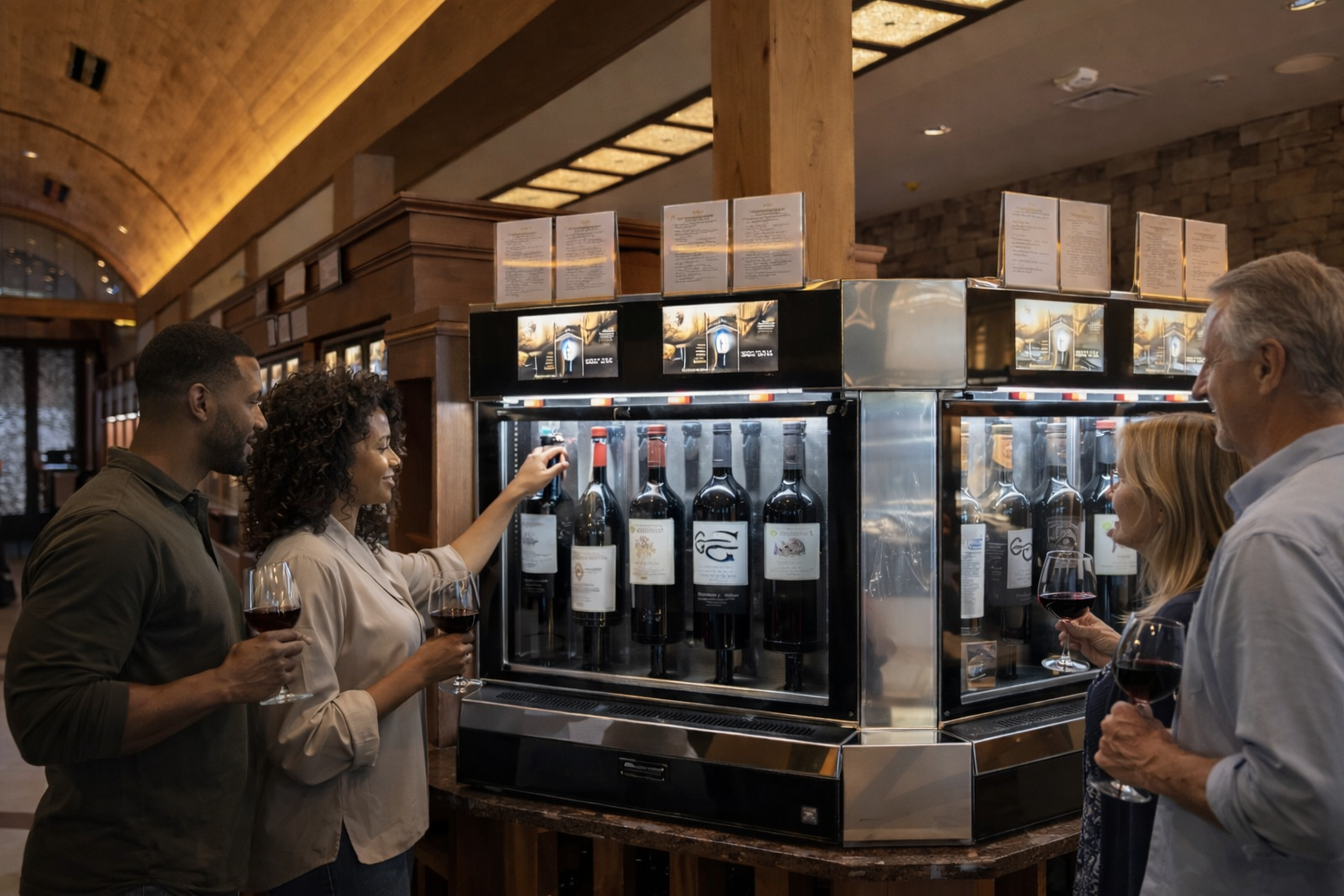
No interactive element.
No reason to explore more wines.
No system encouraging discovery.
If your concept relies entirely on staff being perfect every night, it is fragile.
The strongest wine bars create an environment where:
Guests explore confidently.
Premium bottles feel accessible.
Curiosity increases average ticket size.
The experience becomes shareable.
If you are not engineering that intentionally, you are gambling.
5. Assuming Staff Will Figure It Out
Hospitality is human.
But humans are inconsistent without systems.
First-time owners often:
Skip formal training programs.
Do not define exact pour standards.
Do not document service expectations.
Do not create structured onboarding.
The result?
Different guests get different experiences.
Some get generous pours.
Some get shorted.
Some get educated.
Some get confusion.
Inconsistent training creates inconsistent revenue.
And inconsistency kills trust, both internally and externally.
The strongest operations do not rely on memory.
They rely on systems.
The Quiet Pattern Behind Most Wine Bar Failures
None of these mistakes look dramatic at first.
They do not make headlines.
They do not happen overnight.
They erode you slowly.
A few wasted bottles here.
A few heavy pours there.
A POS contract you regret.
A marketing plan that never materializes.
Six months later, you are wondering why revenue feels high but profit feels thin.
Wine bars can be incredibly profitable.
But only when:
Freshness is controlled.
Pours are consistent.
Data is owned.
Experiences are engineered.
Training is structured.
If you are in the planning stage, this is the moment to design your systems before your doors open.
Because fixing these mistakes after launch is expensive.
Avoiding them from the start is strategic.
The romance of wine will get guests through the door.
The systems behind the scenes will determine whether you are still open a year later.
