
Why Restaurant Beverage Programs Are Being Reimagined
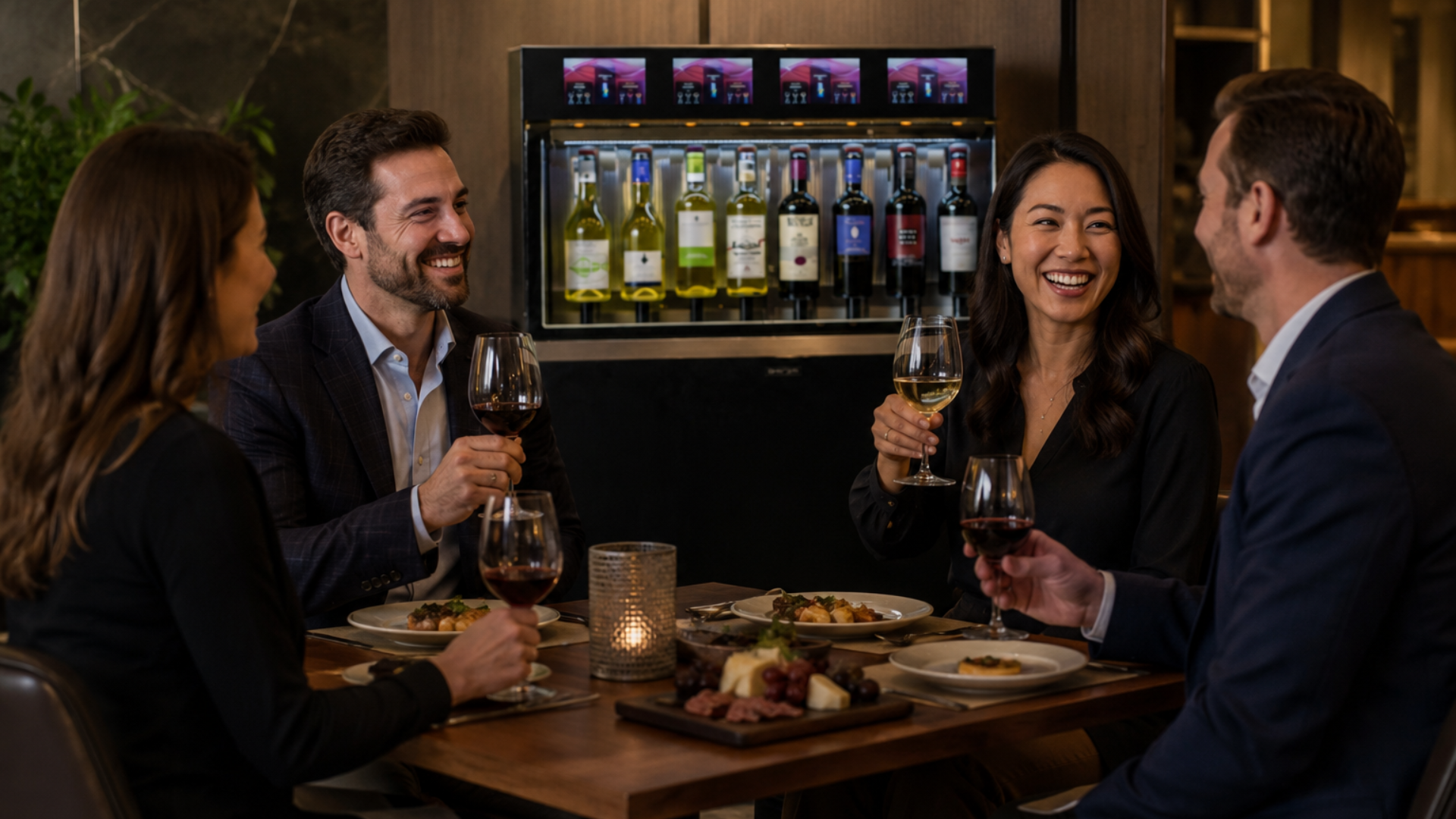
For decades, restaurant beverage programs followed a familiar formula: a bartender poured drinks, servers made recommendations, and guests selected from a static menu of beer, wine, cocktails, and non-alcoholic beverages. While this model served the industry well, today's restaurant operators face a very different landscape.
Rising labor costs, increasing product costs, changing consumer preferences, and advances in technology are forcing operators to rethink how beverage programs are designed and managed. The result is a new generation of beverage programs focused on profitability, efficiency, guest engagement, and flexibility.
The Economics Are Changing
Beverages have always been one of the most profitable categories in a restaurant, but maintaining those margins has become more challenging.
Wine spoilage, overpouring, theft, inventory inaccuracies, and labor expenses can quietly erode profits. At the same time, operators face higher costs across nearly every aspect of their business, from ingredients to utilities and wages.
As a result, restaurant owners are taking a closer look at every aspect of their beverage operations and asking a simple question:
"How can we generate more revenue while reducing waste and operational complexity?"
The answer often begins with reimagining the beverage program itself.
Guests Want Experiences, Not Just Drinks
Today's consumers are increasingly seeking experiences when they dine out.
Guests want to discover new wines, sample local craft beverages, customize their selections, and engage with brands in a more interactive way. Traditional beverage service can sometimes limit these opportunities.
This shift has fueled interest in beverage concepts that encourage exploration, such as:
Wine flights
Self-pour beverage walls
Interactive tasting experiences
Premium by-the-glass offerings
Seasonal and rotating beverage programs
Restaurants that create memorable beverage experiences often benefit from increased guest satisfaction, stronger word-of-mouth marketing, and higher average checks.
Technology Is Transforming Beverage Service
Technology has become a key driver behind the evolution of beverage programs.
Modern beverage management systems can provide operators with real-time insights into:
Pour accuracy
Product movement
Inventory levels
Sales performance
Guest preferences
For wine programs specifically, preservation technology allows restaurants to confidently offer premium wines by the glass without worrying about spoilage.
These innovations help operators make smarter decisions while improving consistency across every shift.
Labor Challenges Continue to Influence Operations
Staffing remains one of the industry's biggest challenges.
Restaurant operators are looking for ways to improve efficiency without sacrificing hospitality. Beverage programs are often a natural place to start.
Technology-assisted beverage service can help teams:
Reduce bartender workload
Improve service speed
Simplify training
Ensure consistent pours
Allow staff to focus on guest interactions
Rather than replacing hospitality, many operators are using technology to enhance it by freeing employees to spend more time with guests.
Data-Driven Beverage Decisions
Historically, beverage decisions were often based on intuition or limited sales reports.
Today, operators have access to detailed analytics that reveal exactly what guests are drinking, when they're ordering, and which products generate the strongest margins.
This data allows restaurants to:
Optimize beverage menus
Identify slow-moving inventory
Improve purchasing decisions
Increase profitability
Better understand guest preferences
The most successful beverage programs are increasingly built around measurable performance rather than guesswork.
Premiumization Is Creating New Opportunities
Consumers continue to demonstrate a willingness to spend more for quality experiences.
Many restaurants are responding by expanding premium beverage offerings, particularly within wine and craft beverage categories.
Offering premium products by the glass becomes significantly more viable when operators have confidence in preservation and inventory management systems.
As a result, guests gain access to a broader selection while restaurants unlock new revenue opportunities.
The Future of Beverage Programs
The beverage program of the future will look different from the beverage program of the past.
Successful operators will combine hospitality, technology, analytics, and guest experience to create programs that are both profitable and memorable.
The goal is no longer simply serving drinks. It's creating a beverage experience that delights guests, improves operational efficiency, and drives sustainable growth.
As the restaurant industry continues to evolve, beverage programs are becoming one of the most important areas for innovation—and one of the greatest opportunities for operators looking to differentiate themselves in a competitive market.
