
How Restaurants Can Increase Average Check Size Using Wine Technology
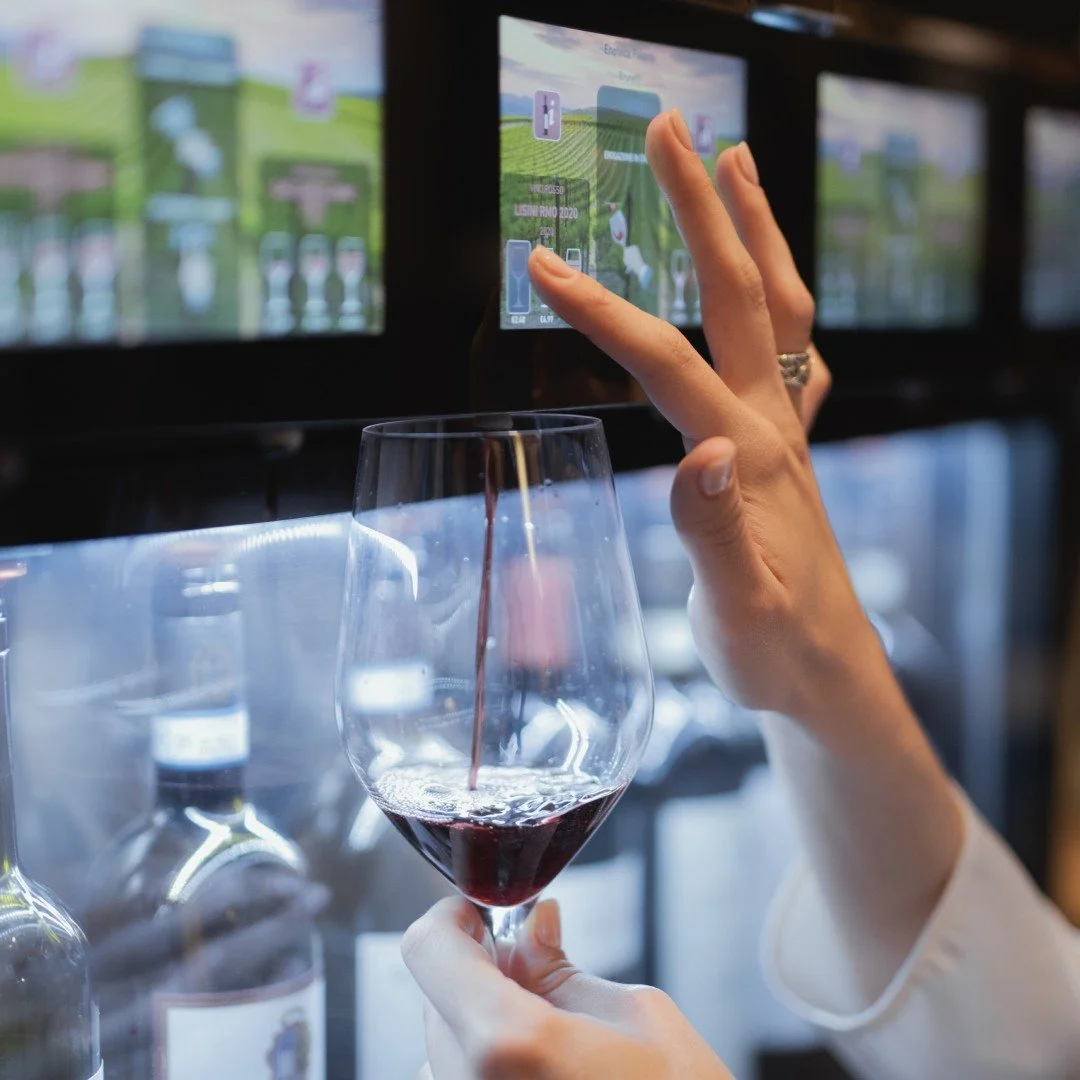
Increasing your restaurant’s average dollar ticket, or price per transaction doesn’t always require raising menu prices or adding complexity to your operation. One of the most effective and often underutilized strategies is optimizing your wine program with the right technology.
Wine technology, specifically Enomatic wine dispensers, allows restaurants to sell better wine, reduce waste, lower labor dependency, and ultimately drive higher guest spend. When implemented correctly, this technology can materially increase average check size while improving the guest experience.
Below are two proven ways restaurants are using Enomatic wine dispensers to grow revenue per guest.
1. Expanding Premium Wine-by-the-Glass Programs, Without the Risk
Many restaurant operators limit their wine-by-the-glass offerings to lower- or mid-tier selections. The primary reason is risk: once a bottle is opened, oxidation and spoilage can quickly eat into margins. As a result, premium wines are often reserved for bottle-only sales.
Enomatic wine dispensers remove this barrier.
By preserving opened bottles for up to 30 days using inert gas technology, Enomatic systems virtually eliminate oxidation and waste. This allows operators to confidently offer higher-end wines by the glass, something many guests want but rarely see.
Why This Increases Average Check
Guests are more likely to trade up when premium options are available by the glass
A $10–$12 glass can become a $16–$22 glass without resistance
Premium by-the-glass options elevate the dining experience and encourage wine pairings
Instead of selling more drinks, restaurants sell better drinks, increasing revenue per guest while maintaining strong margins and eliminating spoilage losses.
2. Using Self-Pour Wine Programs to Increase Spend and Reduce Labor
The second, and often most impactful approach is using Enomatic dispensers in a self-pour model.
In this format, guests pour their own wine and are charged by the ounce or per pour. This creates a more interactive, experiential wine program that consistently leads to higher guest spend.
What Operators Typically See
Guests pour slightly more when they control the experience

Guests sample multiple wines instead of stopping at one
Overall dwell time increases, leading to higher total checks
From an operational standpoint, self-pour wine programs also:
Reduce labor required for wine service
Eliminate over-pouring and untracked losses
Allow precise inventory and ounce-level control
Self pour shifts wine from a static menu item to an interactive experience that increases per guest spending.
The ROI of Wine Dispenser Technology
When premium by-the-glass programs and self-pour wine systems are combined, restaurants often see a meaningful lift in:
Average check size
Wine attachment rate
Margin dollars per guest
Operational efficiency
Because waste is nearly eliminated and labor requirements are reduced, many operators achieve a full return on investment in under one year with properly designed wine programs and pricing strategies.
Final Takeaway
If your restaurant is looking to:
Increase average dollar ticket
Improve margins without raising prices
Elevate the guest experience
Reduce wine waste and labor dependency
Then investing in wine technology should be part of the conversation.
By leveraging Enomatic wine dispensers to support premium wine-by-the-glass offerings and self-pour experiences, restaurants can turn their wine program into a high-impact revenue driver—one that benefits both the guest experience and the bottom line.
