
How Rising Labor Costs Are Forcing Hospitality Operators to Rethink Wine Service—and How Technology Can Help
Labor costs are rising—and for most hospitality operators, there’s very little control over it.
Across the U.S., cities and states continue to increase minimum wages while adding new labor requirements such as paid time off, predictive scheduling, and benefits mandates. For restaurant and bar owners, these increases directly impact margins, often without a corresponding increase in guest traffic or menu prices.
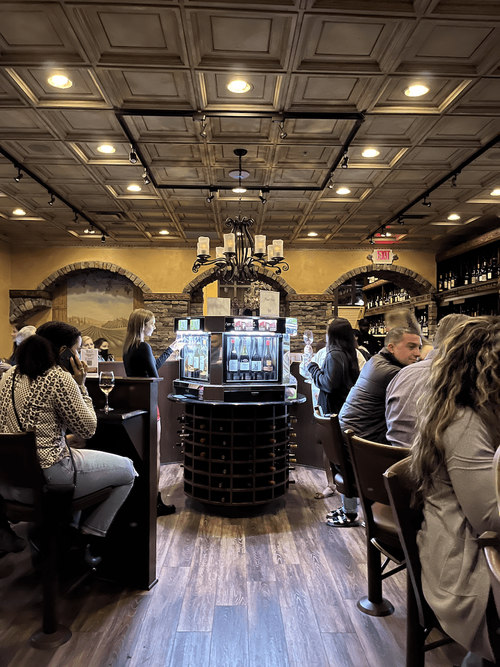
While labor costs may be largely out of an operator’s control, how you design your wine program is not. For businesses that sell wine, Enomatic wine dispensers provide proven technology to offset rising labor costs while increasing revenue and enhancing the guest experience.
The Labor Cost Problem in Hospitality
Wine service is traditionally labor-intensive:
Servers opening bottles
Bartenders pouring by the glass
Staff managing spoilage and waste
Training required to confidently sell premium wine
As wages increase, every inefficiency in that process becomes more expensive. The question many operators are now asking is:
How do I protect margins without sacrificing quality or guest experience?
1. Reduce Wine Waste = Increase Profit
One of the biggest hidden costs in wine programs is spoilage.
Once a bottle is opened, oxidation begins immediately. In many restaurants, partially sold bottles end up being poured out, especially with premium wines that sell more slowly.
Enomatic wine dispensers solve this problem by preserving wine with inert gas, allowing bottles to stay fresh for weeks instead of days. The result:
Dramatically less waste
Higher yield per bottle
More predictable margins
Less waste directly translates to lower cost of goods sold, helping offset rising labor expenses without cutting staff or service levels.
2. Sell More Wine by the Glass, Including Premium Options
With traditional wine service, operators often limit by-the-glass offerings to safer, lower-priced wines due to spoilage risk.
With Enomatic, that limitation disappears.
Operators can confidently:
Offer more wines by the glass
Introduce higher-end and reserve selections
Create tasting flights that drive incremental sales
Guests are far more likely to explore premium wines when they can purchase them by the glass or ounce. This increases:
Average check size
Wine revenue per guest
Gross profit per labor hour
In short, you sell more wine without adding more staff.
3. Reduce Labor with Self-Pour Wine Solutions
For operators looking to make a more meaningful impact on labor, self-pour wine systems take efficiency to the next level.
By integrating Enomatic with self-pour technology, guests can:
Sample wines by the ounce
Explore multiple varietals at their own pace
Pour wine themselves - no server required
This approach:
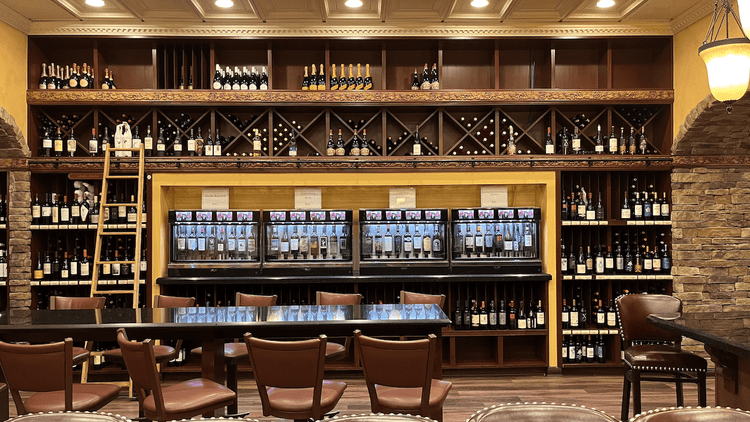
Reduces bartender and server labor tied to wine service
Allows staff to focus on hospitality instead of pouring
Creates an engaging, experiential wine program
Self-pour doesn’t eliminate staff, it reallocates labor to higher-value guest interactions, which is exactly what operators need in a high-wage environment.
Technology as a Labor Offset Strategy
Labor costs are not going down. Wage increases, benefits requirements, and staffing challenges are now permanent realities in hospitality.
For businesses that sell wine, the most effective response isn’t cutting corners, it’s using smarter systems.
By implementing Enomatic wine dispensers, operators can:
Reduce wine waste
Increase wine revenue
Sell premium offerings by the glass
Offset labor costs through automation and self-pour solutions
In today’s operating environment, wine technology isn’t a luxury, it’s a strategic tool to protect margins and future-proof your business.
